PVC NFT Channel Hydroponic Growing System
Introduction to PVC NFT Channel Hydroponic Growing System
1. NFT Hydroponic System Components
① PVC NFT Channel
Material & Design: Made of food-grade, UV-resistant PVC NFT Channel (typically 4–6 inches in diameter, cut lengthwise to form open troughs) or prefabricated PVC NFT Channel. PVC is chosen for its low cost, corrosion resistance, light weight, and ease of cutting/assembling.
② Nutrient Solution Reservoir
A plastic or PVC tank (capacity varies by system size: 10–100+ liters for home use, 500+ liters for commercial setups) that stores the water-nutrient mixture.
PVC NFT Channel Equipped with a lid to prevent algae growth (from light exposure) and dust contamination.
③ Submersible Water Pump
Installed in the reservoir to pump the nutrient solution to the higher end of the PVC channels.
Selectable flow rates (usually 50–200 L/h for small systems) to maintain a thin, consistent film (1–3 mm thick) over the channel base—critical for oxygenating roots while delivering nutrients.
④ Monitoring Tools
pH Meter: Ensures the nutrient solution stays within the optimal range (5.5–6.5 for most vegetables/herbs), as pH imbalances reduce nutrient uptake.
EC (Electrical Conductivity) Meter: Measures nutrient concentration to avoid over/under-feeding plants.
Timer (Optional): Controls the water pump (e.g., 15 minutes on/45 minutes off for mature plants) to save energy and prevent excessive moisture.
2. Working Principle
Nutrient Mixing: Water and water-soluble hydroponic nutrients (e.g., N-P-K, calcium, magnesium) are mixed in the reservoir to the desired EC level.
Solution Delivery: The submersible pump pushes the nutrient solution to the upper end of the sloped PVC channels.
Film Formation: As the solution flows down the sloped channels, it forms a thin film that wets the exposed roots of plants (anchored in the channels). Roots absorb water, nutrients, and oxygen directly from the film and surrounding air.
Recirculation: Unused nutrient solution drains from the lower end of the channels back into the reservoir, creating a closed loop that minimizes water and nutrient waste.
Oxygenation & Monitoring: The air pump continuously aerates the reservoir, while pH/EC meters are used periodically to adjust the solution for optimal plant health.
3. Key Advantages
Water Efficiency: Uses 90% less water than traditional soil gardening, as the closed loop recirculates solution (no runoff or evaporation loss).
Nutrient Precision: Delivers nutrients directly to roots, reducing waste and ensuring plants absorb 95% of nutrients (vs. ~50% in soil).
Space-Saving: PVC channels can be stacked vertically (for vertical farming) or mounted on walls, making it ideal for small spaces (balconies, apartments, urban gardens).
Low Maintenance: No weeding, tilling, or soil-borne pest/disease control. PVC’s resistance to mold and decay also reduces cleaning needs.
Fast Growth: Plants grow 20–50% faster than in soil, thanks to consistent nutrient/oxygen access and optimal growing conditions.
4. Ideal Application Scenarios
Home Gardening: Perfect for growing leafy greens (lettuce, spinach, kale), herbs (basil, mint, parsley), and small vegetables (strawberries, cherry tomatoes) in limited indoor/outdoor space.
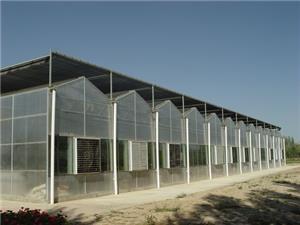
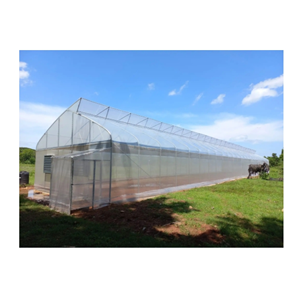
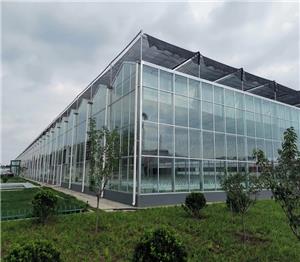
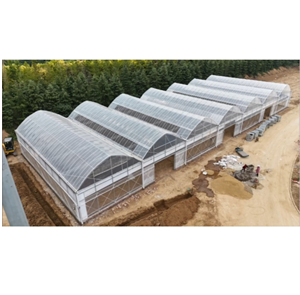
Commercial Farming: Used in large-scale greenhouses to produce high-yield, uniform crops (e.g., salad greens) with lower labor and resource costs.
Educational & Research: A popular tool for teaching soilless agriculture principles in schools or testing plant growth under controlled conditions.
Urban Agriculture: Supports "vertical farms" or community gardens in cities, where land is scarce.
5. Maintenance Tips
Clean the System Monthly: Flush PVC channels and the reservoir with water to remove root debris or algae (avoid harsh chemicals—use a mild vinegar solution if needed).
Monitor Nutrient Levels: Test pH and EC weekly; replace 20–30% of the nutrient solution every 2–3 weeks to prevent salt buildup.
Check Pump & Air Stones: Ensure the water pump is functioning (no clogs) and air stones are producing bubbles (replace worn stones every 6 months).
Prune Roots: Trim overgrown roots periodically to maintain good water flow and prevent channel blockages.